
Description
🌟 5mm Light Emitting Diode (LED)
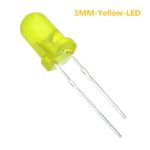
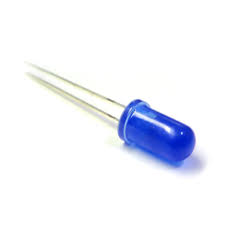
A 5mm Light Emitting Diode (LED) is one of the most common and versatile types of LEDs used in electronics, lighting, and display applications. The “5mm” refers to the diameter of the LED’s epoxy lens, making it compact yet bright enough for various practical uses.
💡 Key Features
-
Size: 5mm (standard round dome shape)
-
Voltage: Typically 1.8V to 3.3V (depending on color)
-
Current: Usually 20mA for optimal brightness
-
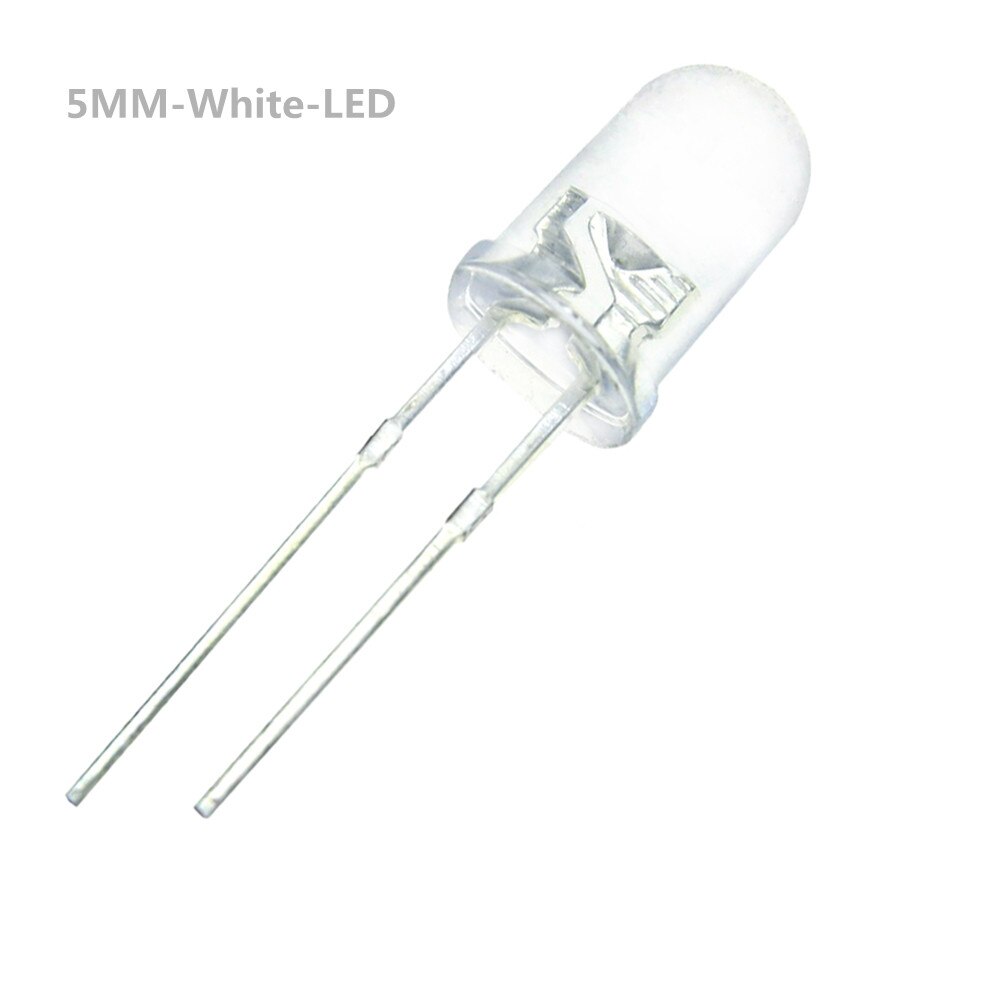
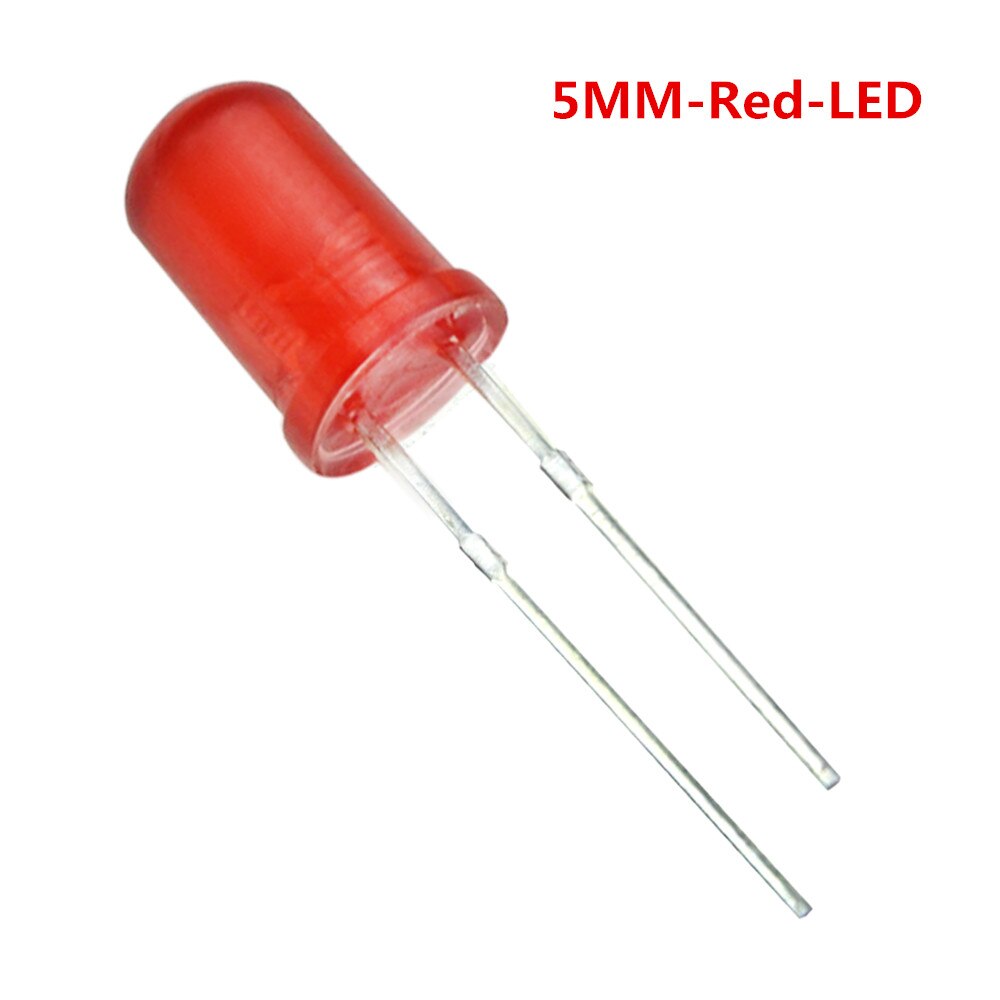
Polarity: The longer leg (anode) is positive, and the shorter leg (cathode) is negative
-
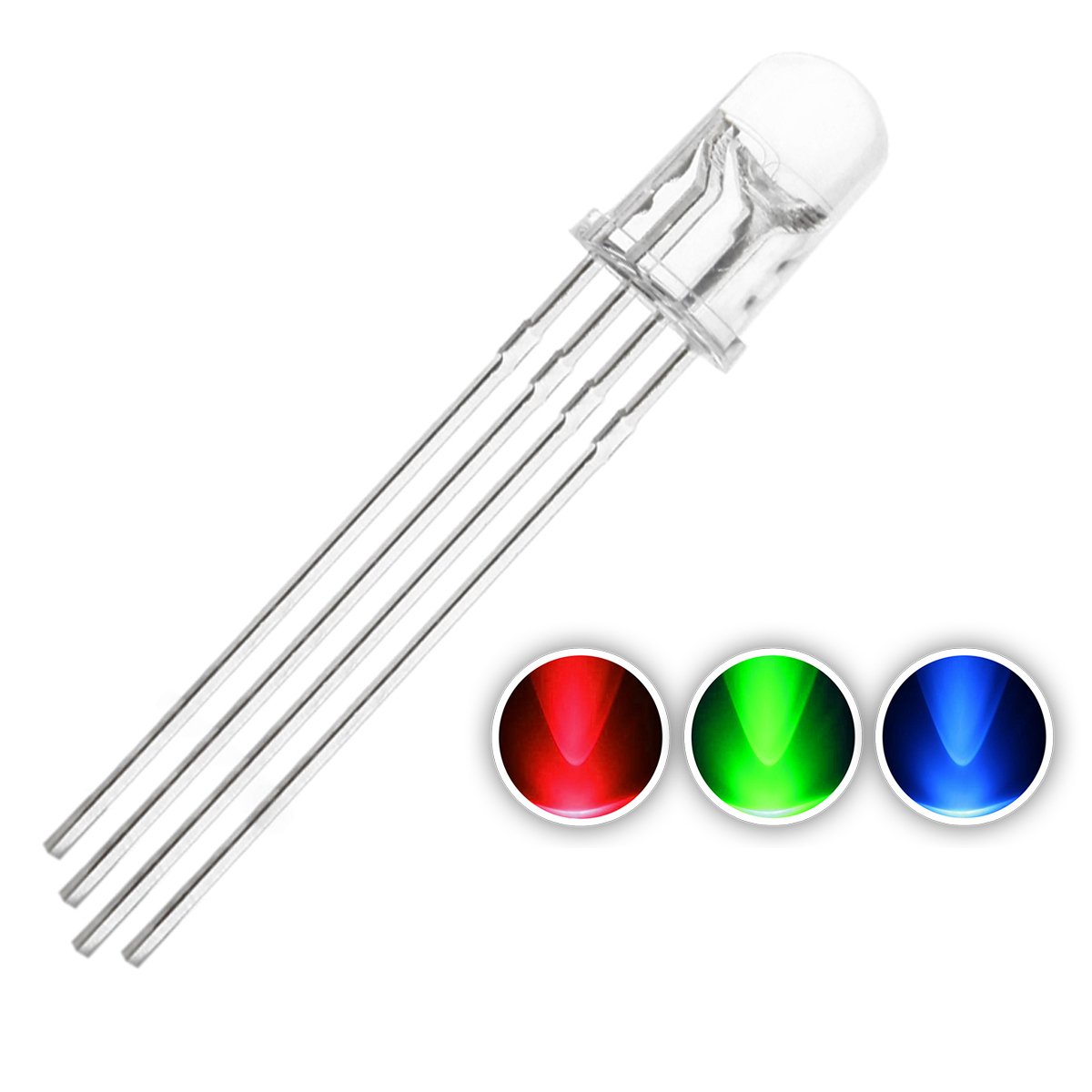
Colors Available: Red, Green, Blue, Yellow, White, and RGB variants
-
Lens Options: Clear (for focused beam) or diffused (for softer glow)
⚙️ Working Principle
When a forward voltage is applied, electrons and holes recombine within the semiconductor material, releasing photons (light). The color of the emitted light depends on the semiconductor material used and the bandgap energy.
🔋 Common Applications
-
Indicator lights on electronic devices
-
DIY and hobby circuits
-
Automotive dashboard lighting
-
Decorative and display lighting
-
Arduino and Raspberry Pi projects
-
Signal and status indicators
🧠 Pro Tips
-
Always use a current-limiting resistor to prevent LED burnout.
-
For microcontroller projects, a 220Ω–330Ω resistor is typically sufficient.
-
Combine multiple LEDs for creative displays or light patterns.
Reviews
There are no reviews yet.